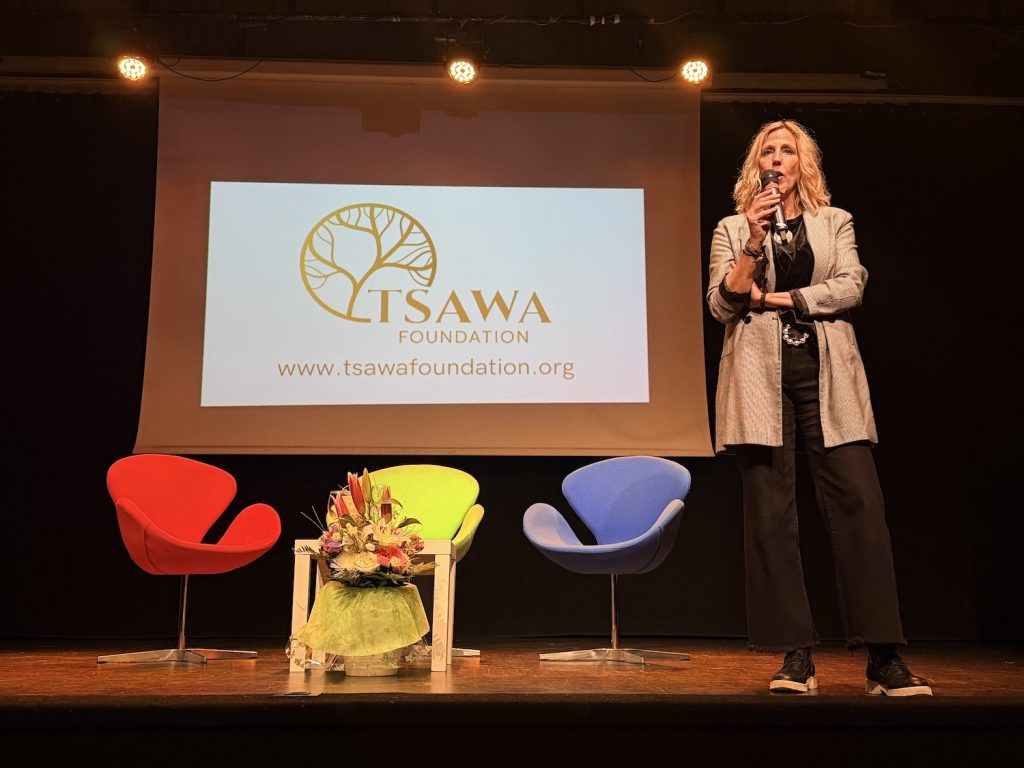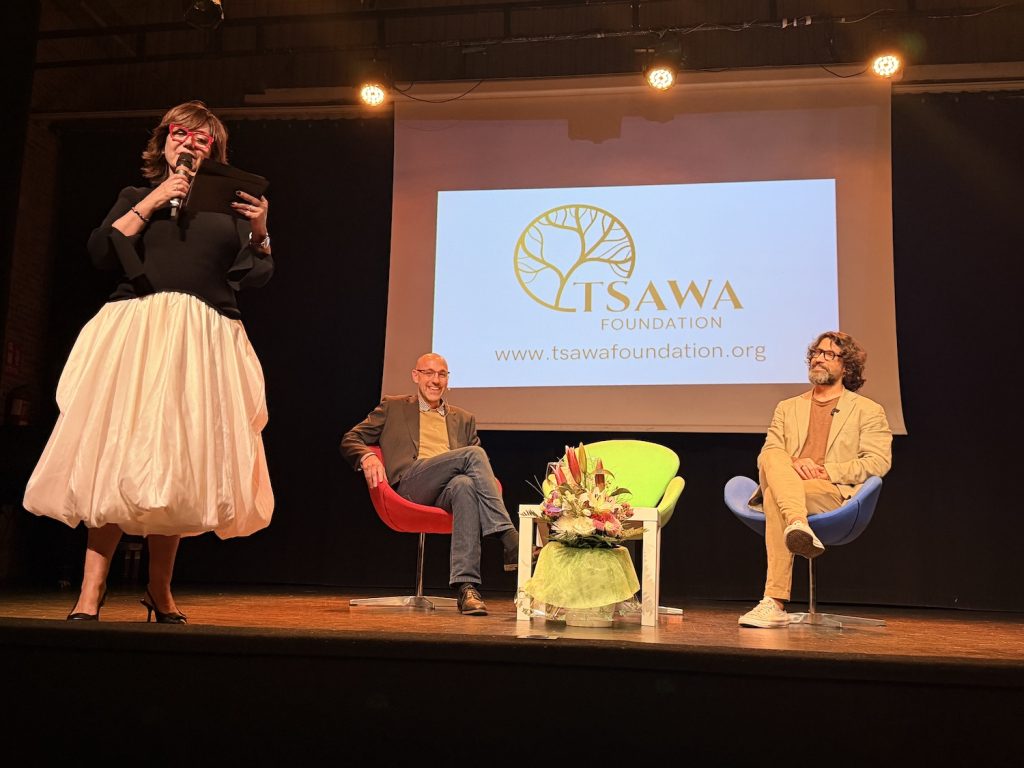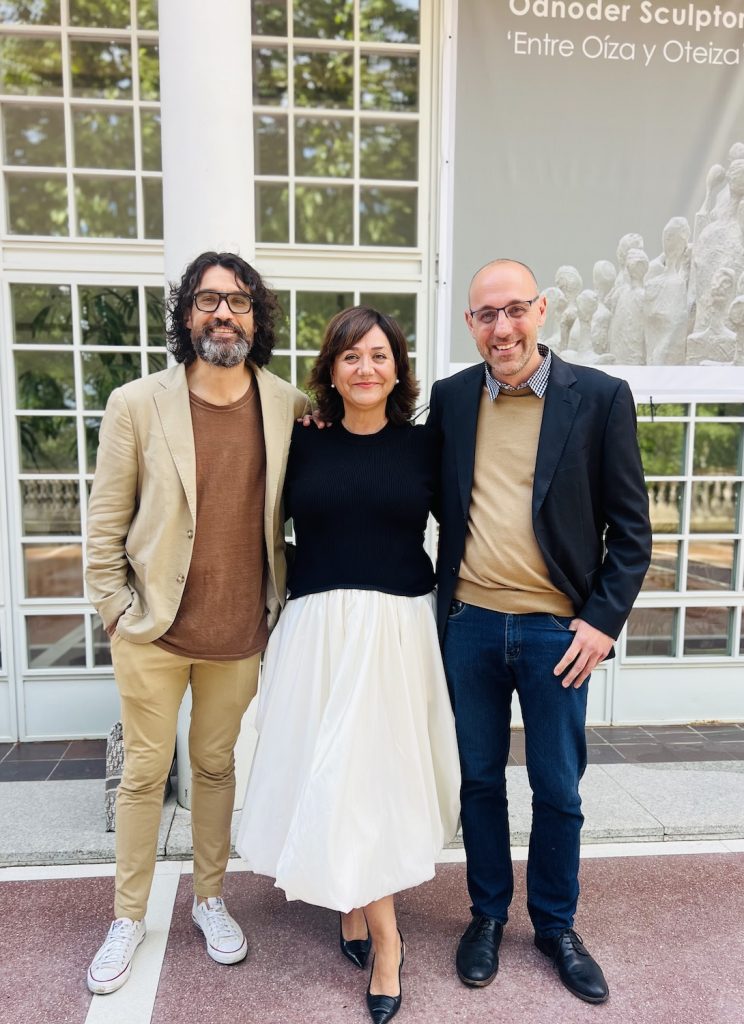
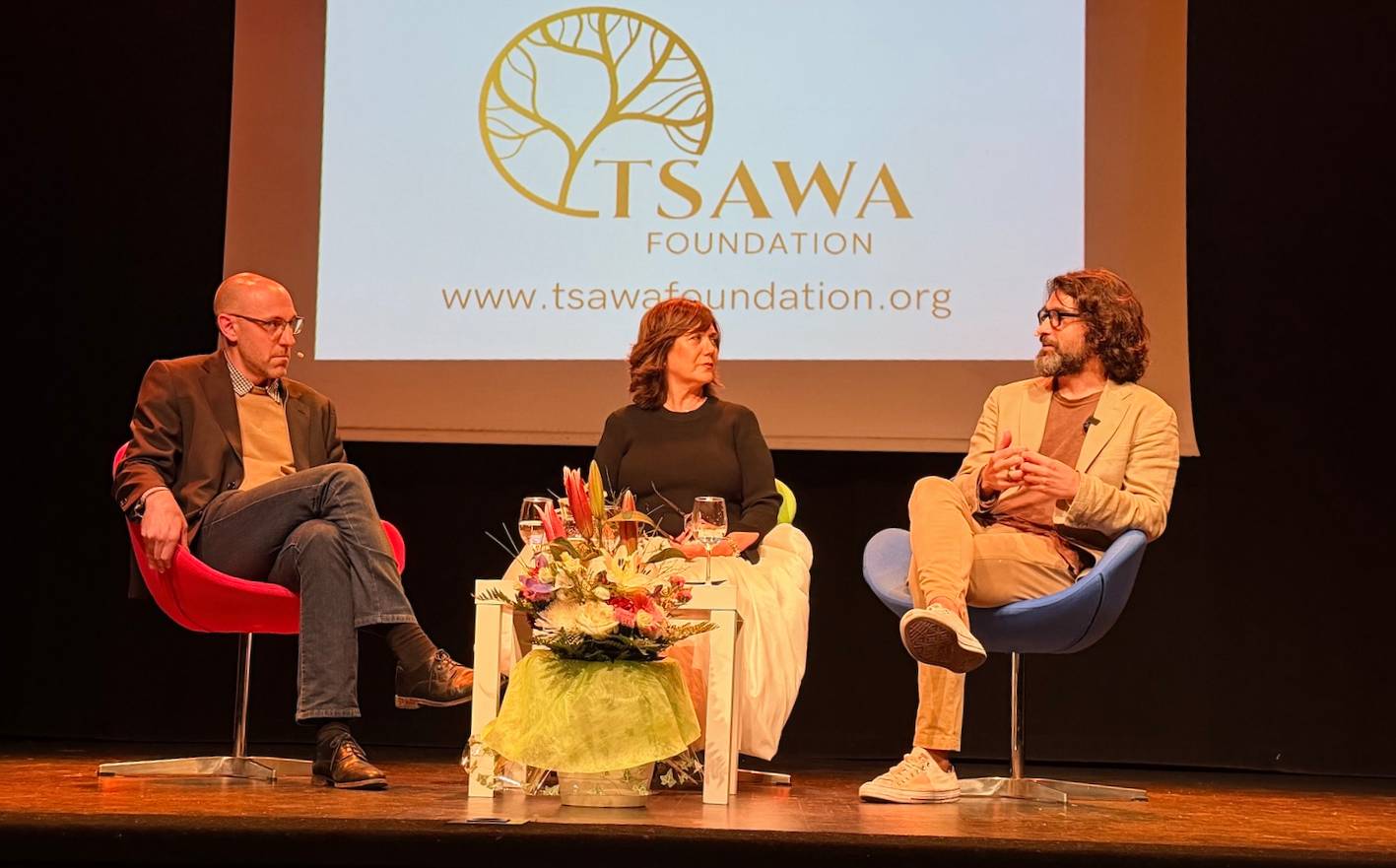
On May 7th, the Tsawa Foundation organized the discussion “Artificial Intelligence and Humanism” in Madrid, an event that also served as the public presentation of this international foundation in the city.
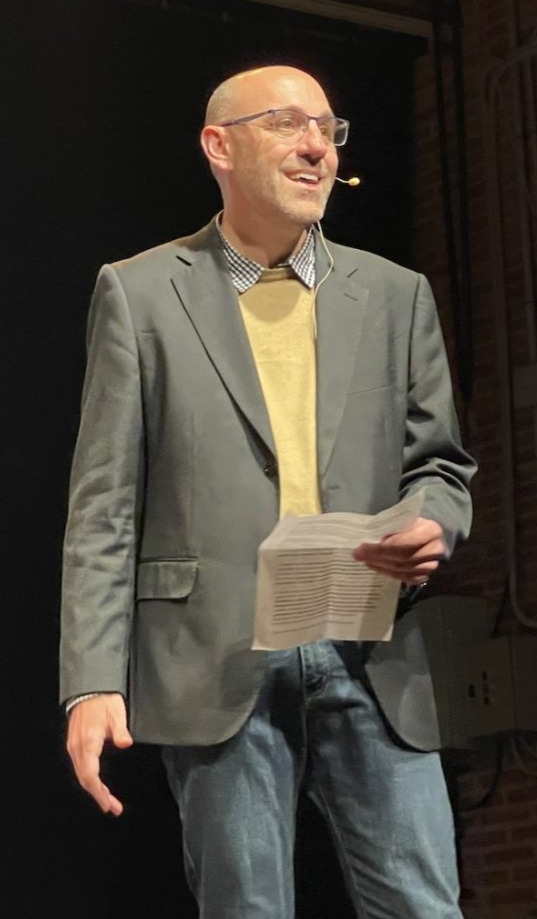
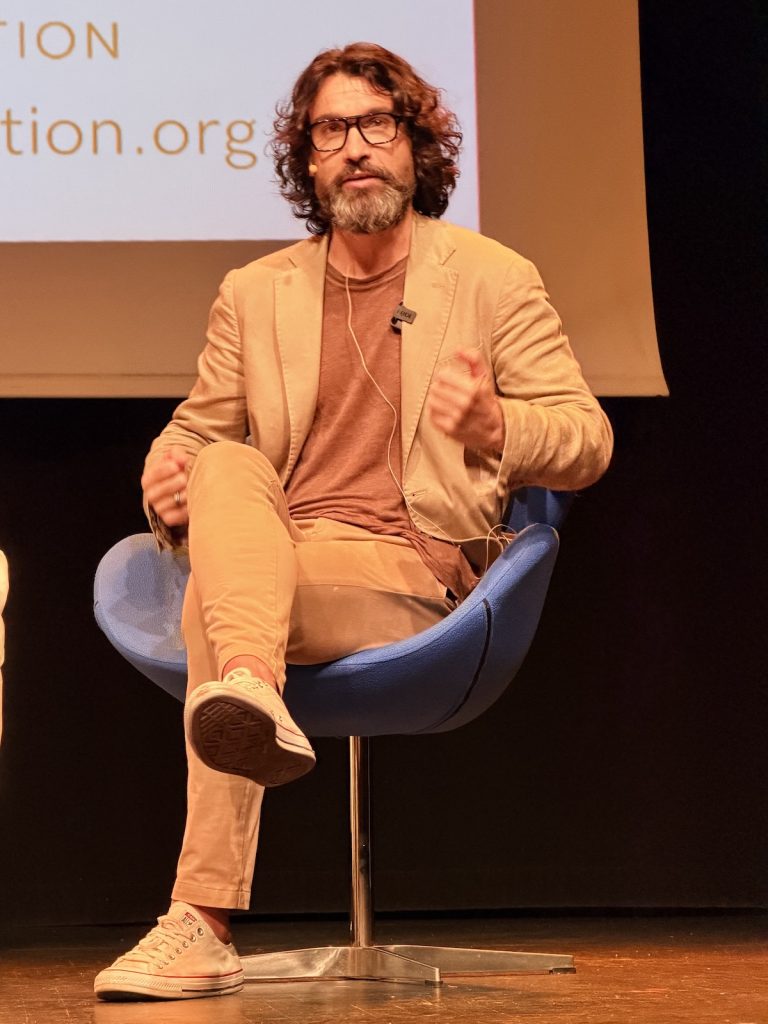
The session brought together two specialists from different fields linked to technological development and humanistic thought: Dr. Carles Noguera, a researcher in logics for AI, and Dr. Gustavo G. Diez, a theoretical physicist and neuroscientist.
Moderated with warmth and sensitivity by journalist Concha Crespo, the dialogue was notable for its engaging and accessible tone, staying clear of both alarmism and naive enthusiasm. Throughout the conversation, the profound paradigm shift at all levels represented by the emergence of generative AI and the speed with which these tools are transforming everyday, professional, and cultural spheres was addressed.
One of the key points of the discussion was the idea that artificial intelligence can be, at the same time, a source of risks and opportunities. The speakers agreed on the enormous potential of these technologies when they function as tools for amplifying our capacities: assistants that help us work better, process information more quickly, or develop complex tasks more efficiently. However, they also highlighted the danger that arises when we stop collaborating with technology and begin to completely delegate decisions and responsibilities that should remain in human hands.
During the debate, there was time to reflect on how automation can affect not only work or the economy, but also our cognitive and moral capacities. The importance of not losing the exercise of discernment, attention, memory, or empathy was stressed, along with the need to preserve spaces where decisions continue to be guided by human criteria rather than solely by technological procedures.
The conversation also addressed social and cultural issues of particular relevance: the risk that new technologies could further widen economic inequalities, the need to build collective mechanisms for protection and redistribution, or the emotional relationship that many people are beginning to establish with conversational systems capable of simulating listening, understanding, and companionship in an increasingly sophisticated way.
There was also room to debate some of the most speculative scenarios associated with the so-called technological “singularity” and the real limits of current machines. Against certain futuristic narratives, the panelists reminded everyone of the importance of distinguishing between effective advances of today and projections that are still the realm of science fiction.
The audience participated actively with questions and reflections that prolonged the debate beyond the invited experts, in a particularly warm and inclusive atmosphere.
The Tsawa Foundation views this first event in Madrid very positively and considers it fundamental to generate spaces for shared discussion on issues that are already decisively reshaping our society. At a moment when technology advances faster than collective conversations about its consequences, meetings like this seek precisely to open time and space to think deeply about what it means to put innovation truly at the service of people.
Our sincerest gratitude to all attendees and to all the people who collaborated in organizing the event and, with their time and energy, made this so valuable event possible. A special recognition also goes to Casa de Vacas and its director, Lola Chamero, for their support, generosity, and interest.